The Enchanting World of Botanical Gardens
Botanical gardens are living museums, dedicated to the collection, cultivation, and display of a wide range of plants. From the historic glasshouses of the UK to rare plant collections across the globe, these gardens serve as vital centres for botanical research, conservation, and education. At Kew Green, we celebrate this rich heritage and the ongoing mission to understand and protect plant diversity.
Glasshouses: Architectural Marvels for Plant Conservation
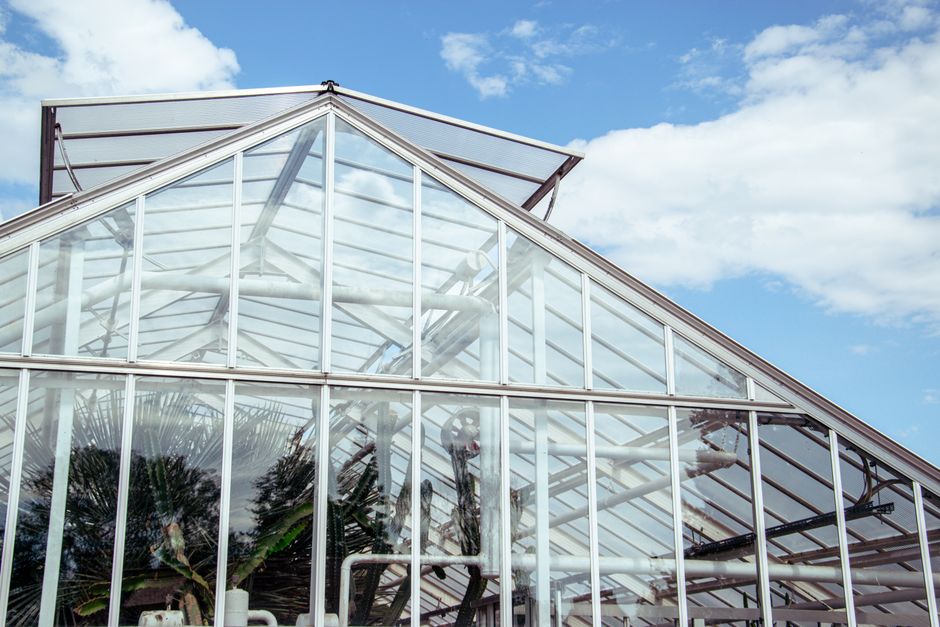
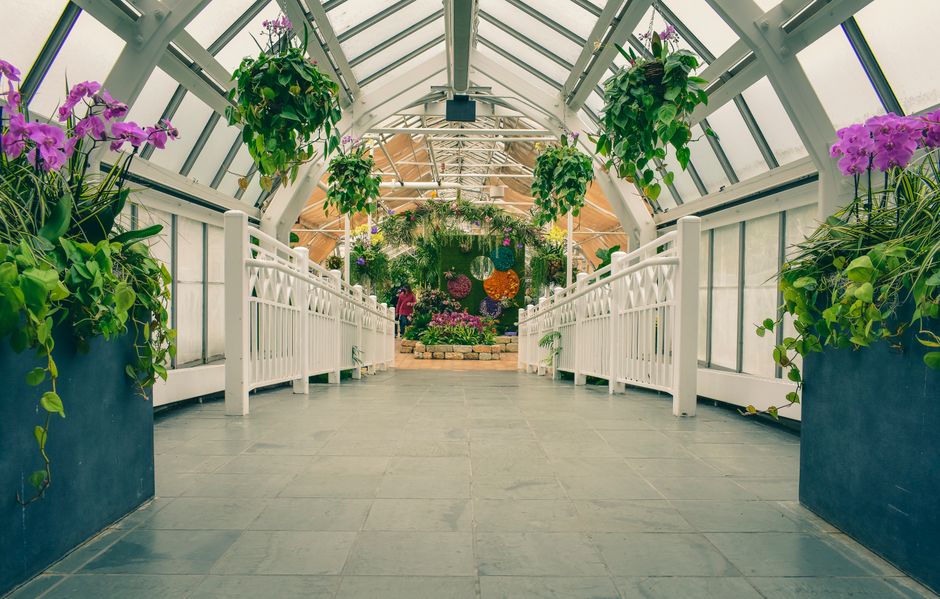
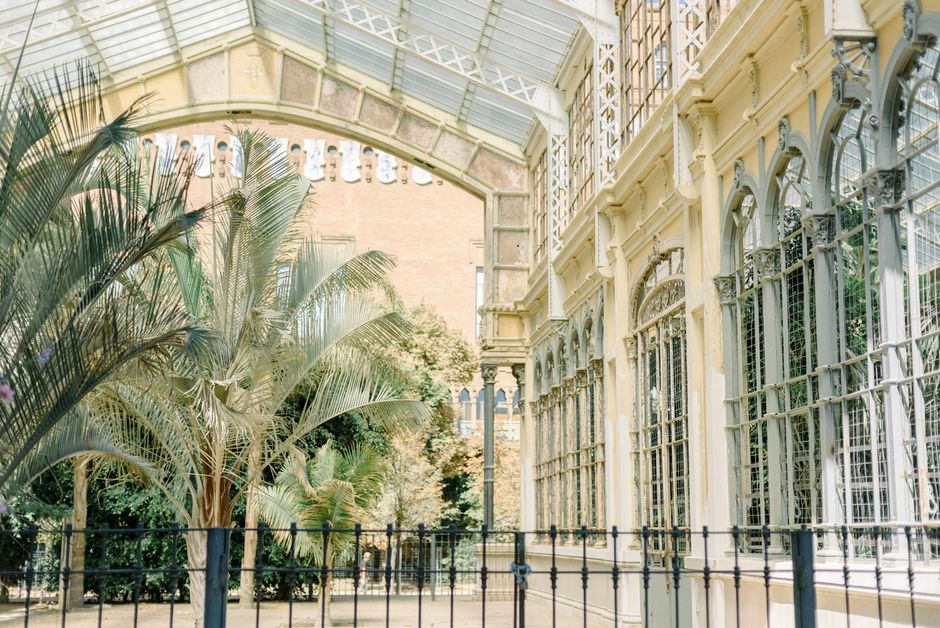
Glasshouses, or conservatories, are the heart of many botanical gardens, providing controlled environments for tropical and desert plants that would otherwise struggle in the local climate. The iconic Palm House at Kew Gardens, for example, showcases towering palms and exotic species, while the Princess of Wales Conservatory houses ten different climatic zones. These structures are not only architectural feats but also crucial for preserving rare and endangered plants.
- Temperature and humidity control for diverse ecosystems
- Protection for rare and endangered species
- Educational displays for the public
- Research facilities for botanists
Rare Plant Collections and the History of Botany
Botanical gardens have played a pivotal role in the history of botany, from the earliest physic gardens of the 16th century to modern conservation efforts. Rare plant collections, such as those of orchids, cacti, and cycads, are often maintained to study their biology and to safeguard genetic diversity. By visiting a botanical garden, you contribute to this legacy and help ensure that future generations can appreciate the wonders of the plant kingdom.