Eleanor Blackwood
As a frequent visitor, I found Kew Green's online plant taxonomy guides clear and well-organised. They helped me understand classification methods without overwhelming detail.

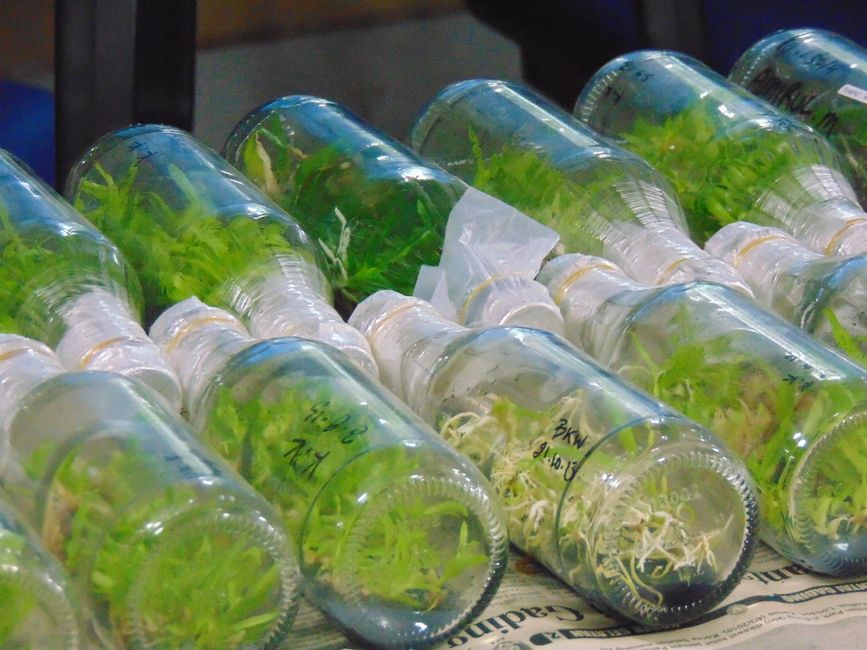
Kew Green draws on established scientific frameworks to study plant relationships and diversity. Our approach to plant taxonomy is methodological: we apply classification systems such as APG (Angiosperm Phylogeny Group) and integrate morphological, molecular, and biogeographical data. This enables systematic comparison and documentation of taxa across collections. The emphasis is informational — clarifying how plants are grouped, named, and interpreted rather than offering definitive conclusions. This taxonomy work supports conservation assessments and historical exploration narratives, always as contextual tools that depend on evolving research, specimen availability, and collaborative input.
As a frequent visitor, I found Kew Green's online plant taxonomy guides clear and well-organised. They helped me understand classification methods without overwhelming detail.
In my research, I have used Kew Green's conservation programme materials. The information is presented as structured methods, useful for contextualising specific botanical studies within broader frameworks.
I attended a workshop on botanical history at Kew Green. The session traced exploration narratives with archival sources, offering a perspective on how knowledge has been documented over time.
Systematic gathering of herbarium specimens and field data from botanical gardens and archives.
Molecular sequencing applied alongside morphological comparison to classify species and resolve relationships.
Assessing plant population dynamics and habitat threats using standardised IUCN criteria and field surveys.
Tracing documented exploration and collection history to contextualize current taxonomy, subject to archival availability.
Conservation science and historical documentation within botanical studies rely on systematic processes. Kew Green documents conserving plant diversity and narrating botanical history. Taxonomy classifies and names species. Conservation is dedicated to preserving taxa under conditions of habitat change and climate volatility. Historical botanical exploration follows archival records and specimens. Botanical frameworks may be conditional, shaped by region, taxonomic scale, and data source.