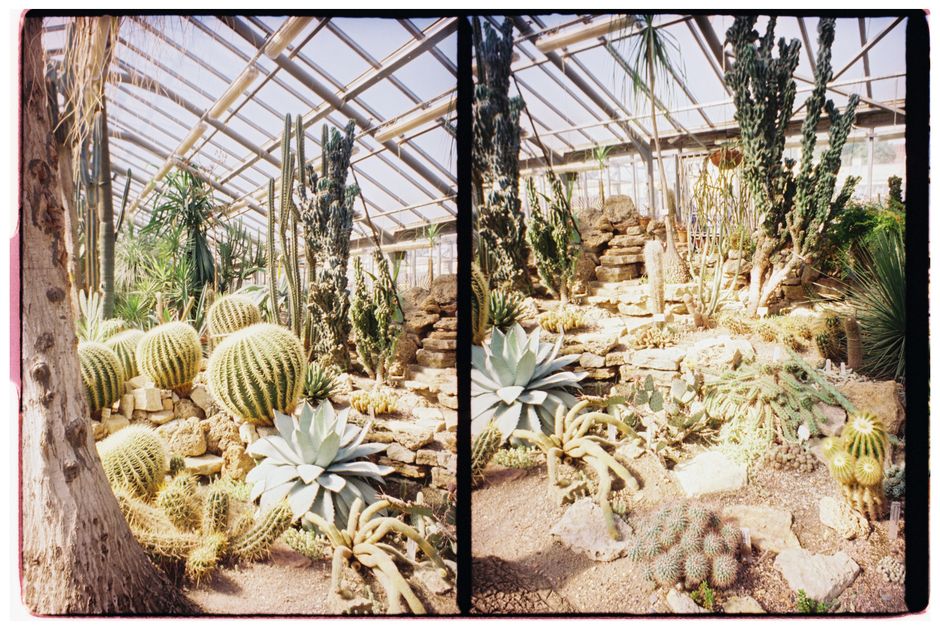
How Seed Banks Safeguard Global Biodiversity
Seed banks represent a critical component of global efforts to conserve plant diversity and safeguard food security. By storing seeds under controlled conditions, these facilities act as insurance against the loss of plant species in the wild, whether due to habitat destruction, climate change, or other threats. Botanical gardens, in particular, play a leading role in this endeavour, combining scientific research with practical conservation. The approach involves careful collection, processing, and long-term storage of seeds, ensuring that genetic material remains viable for future use.
The concept is straightforward yet powerful: by preserving seeds, we maintain options for restoring ecosystems, developing resilient crops, and studying plant biology. In the United Kingdom, institutions such as Kew Green contribute to this global network, applying rigorous standards to seed conservation. This article explores the methods, challenges, and significance of seed banks in protecting biodiversity and supporting food security.
Understanding Seed Banks and Their Role in Conservation
Seed banks are repositories where seeds are stored as a backup against the extinction of plant species in their natural habitats. They function as a form of ex situ conservation, meaning conservation outside the natural environment. The primary goal is to maintain genetic diversity, which is essential for the adaptability and long-term survival of plant populations. Seeds are typically dried to low moisture content and stored at low temperatures, slowing down metabolic processes and extending viability.
The role of seed banks extends beyond mere storage. They serve as research hubs for understanding seed physiology, germination requirements, and dormancy mechanisms. This knowledge is crucial for successful reintroduction efforts and for developing conservation strategies. Additionally, seed banks facilitate the exchange of genetic material among institutions, promoting collaboration and reducing duplication of effort. In the context of global biodiversity, seed banks provide a safety net that complements in situ conservation efforts.
Botanical gardens often operate seed banks as part of their broader conservation programmes. These institutions possess the horticultural expertise and research capacity to manage collections effectively. For example, Kew Green is involved in seed banking initiatives that target endangered species and economically important plants. By integrating seed banking with living collections, botanical gardens create a comprehensive approach to plant conservation.
Methods and Technologies in Seed Storage
The process of seed banking begins with targeted collection in the wild. Seeds must be collected responsibly, ensuring that enough seeds remain in the natural population to allow for regeneration. Collectors record detailed data about the collection site, including habitat type, associated species, and environmental conditions. This information is essential for later research and reintroduction.
Once collected, seeds undergo a series of processing steps. They are cleaned to remove debris, then dried to a specific moisture content, often around 5% for many species. This drying is critical because high moisture can lead to seed deterioration or fungal growth during storage. After drying, seeds are sealed in airtight containers and stored in cold rooms or freezers, typically at temperatures ranging from -18°C to -20°C. Some seeds, known as recalcitrant, cannot tolerate drying and require alternative storage methods such as cryopreservation.
Quality control is paramount. Seeds are regularly tested for viability using germination tests or biochemical assays. This ensures that the stored seeds remain alive and capable of growing into healthy plants. Advances in technology, such as the use of robotics and environmental monitoring systems, have improved the efficiency and reliability of seed banking. These innovations help maintain optimal storage conditions and reduce the risk of human error.
In addition to conventional storage, research into seed longevity and stress tolerance continues. Scientists study how different species respond to storage conditions, aiming to optimize protocols for a wide range of plants. This research is particularly important for rare and endangered species, which may have unique requirements.
Protecting Endangered Species and Ensuring Food Security
Seed banks play a vital role in protecting endangered plant species. Many plants face threats such as habitat loss, invasive species, and climate change. By storing their seeds, we ensure that genetic material is not lost even if the species disappears in the wild. This provides a basis for future reintroduction programmes and ecological restoration. Botanical gardens often prioritise species that are endemic, rare, or of high conservation value.
Food security is another critical aspect. Crop wild relatives and traditional varieties hold genetic traits that can confer resistance to pests, diseases, and environmental stresses. Seed banks preserve this diversity, which is essential for breeding programmes aimed at developing more resilient crops. As climate change affects agricultural productivity, the availability of diverse genetic resources becomes increasingly important. Institutions like Kew Green contribute to global efforts to conserve crop diversity, working with partners to collect and store seeds of food plants.
The link between biodiversity and food security is well recognised. Healthy ecosystems support pollination, soil fertility, and water regulation, all of which are essential for agriculture. By safeguarding plant diversity, seed banks help maintain the ecosystem services that underpin food production. Moreover, they provide a resource for researchers and breeders to develop crops that can withstand changing conditions.
However, seed banking alone cannot guarantee food security. It is one component of a broader strategy that includes sustainable agricultural practices, policy support, and international cooperation. The effectiveness of seed banks depends on continued funding, scientific research, and public awareness.
Challenges and Future Directions
Despite their importance, seed banks face several challenges. Funding constraints can limit the scale and scope of operations, affecting the ability to collect and store seeds from all priority species. Technical difficulties arise with recalcitrant seeds, which are difficult to store using conventional methods. Research into alternative techniques, such as cryopreservation and in vitro culture, is ongoing but often requires specialised equipment and expertise.
Another challenge is the need for long-term commitment. Seeds can remain viable for decades or even centuries, but they require periodic monitoring and regeneration. This demands sustained resources and institutional stability. Climate change adds uncertainty, as shifting conditions may alter the viability of stored seeds or the habitats to which they might be reintroduced.
Looking ahead, collaboration and data sharing will be key. International networks, such as the Millennium Seed Bank Partnership, facilitate the exchange of knowledge and genetic material. Advances in genomics and informatics offer new tools for managing collections and understanding genetic diversity. Seed banks are also exploring ways to engage the public and policymakers, highlighting the importance of plant conservation.
In the United Kingdom, botanical gardens continue to innovate in seed conservation. Kew Green, for instance, integrates seed banking with education and outreach, raising awareness about the value of plant diversity. By addressing challenges through research and cooperation, seed banks can continue to safeguard biodiversity for future generations.
Seed banks are not merely storage facilities; they are dynamic institutions that combine science, conservation, and collaboration to protect the world’s plant heritage.
The ongoing development of seed banking methods and their application in botanical gardens represents a proactive approach to an uncertain future. While no single solution can fully address the complex threats to biodiversity, seed banks provide a practical and effective means of preserving options. Through continued investment and international cooperation, these repositories will remain a cornerstone of global conservation efforts.