The Secret Life of Victorian Glasshouses
Victorian glasshouses were more than just ornate structures; they were engineering marvels that transformed the way plants were cultivated in Europe. During the 19th century, advancements in materials such as cast iron and sheet glass, combined with innovative heating systems, allowed gardeners and botanists to create controlled environments that mimicked tropical and subtropical climates. These structures became status symbols for the wealthy and essential tools for botanical research, enabling the cultivation of exotic species that had never before survived in northern latitudes.
This article explores the secret life of Victorian glasshouses, delving into their design, construction, and the profound impact they had on plant cultivation. It examines how these structures solved critical challenges of light, heat, and humidity, and how they facilitated the exchange of plants across continents. By understanding the engineering behind these glass palaces, we gain insight into a pivotal era in horticultural history.
From the grand conservatories of Kew Gardens to the modest lean-to glasshouses of country estates, these structures represent a convergence of art and science. Their legacy continues to influence modern greenhouse technology and botanical institutions worldwide.
The Engineering Revolution: Iron and Glass
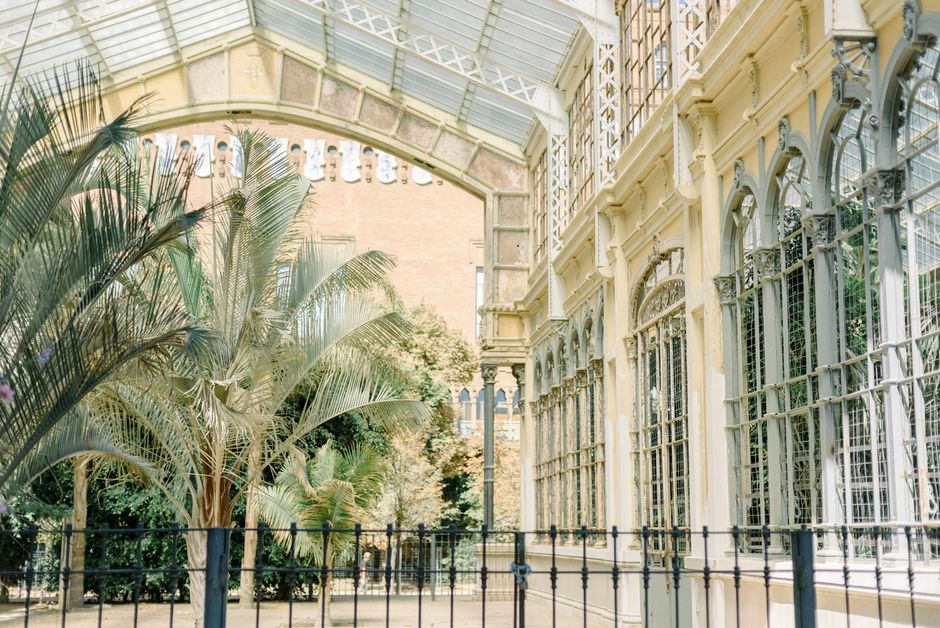
The development of Victorian glasshouses was driven by a series of technological breakthroughs in the production of iron and glass. Prior to the 19th century, glass was expensive and available only in small panes, while iron was primarily used for structural reinforcement in buildings. The Industrial Revolution changed this by making both materials more affordable and available in larger sizes. Cast iron, in particular, offered strength and malleability, allowing architects to create slender frames that maximized light transmission. Sheet glass, produced through improved rolling techniques, could be manufactured in larger, clearer panes, reducing the number of mullions and increasing solar gain.
These materials enabled the construction of glasshouses with vast, unobstructed spans. Engineers such as Joseph Paxton, who designed the Crystal Palace for the Great Exhibition of 1851, applied principles from glasshouse design to create monumental structures. Paxton’s work at Chatsworth House, including the Great Conservatory, demonstrated how iron and glass could be combined to create lightweight, airy spaces that were both functional and aesthetically pleasing. The use of prefabricated components allowed for rapid assembly and disassembly, a technique that would later influence modern architecture.
The structural design of Victorian glasshouses also addressed the need for ventilation and temperature control. Ridge-and-furrow roofs, for example, provided a large surface area for glazing and allowed hot air to escape through operable vents. This passive cooling system was crucial for preventing overheating during sunny days. Additionally, the orientation of glasshouses was carefully planned to capture maximum sunlight, often facing south or southeast to optimize solar exposure.
Heating Systems and Climate Control
Maintaining a stable temperature was one of the greatest challenges in Victorian glasshouse cultivation. Early heating methods relied on open fires or braziers, which were inefficient and produced harmful smoke. The introduction of hot water and steam heating systems revolutionized climate control. These systems consisted of boilers, pipes, and radiators that circulated heated water or steam throughout the glasshouse, providing even warmth without contaminating the air.
One notable innovation was the use of thermosiphons, which allowed water to circulate naturally based on temperature differences, reducing the need for pumps. In larger installations, such as those at the Royal Botanic Gardens, Kew, elaborate networks of pipes were laid beneath floors and along walls to distribute heat evenly. Thermostats and valves, though rudimentary by today’s standards, enabled gardeners to regulate temperatures more precisely. This was particularly important for tropical plants that required constant warmth and humidity.
Humidity control was another critical factor. Victorian gardeners used various techniques to maintain moist air, including misting, damping down floors and walls, and placing water tanks inside the glasshouse. Some structures incorporated sliding panels or vents to adjust air circulation. The combination of heat and moisture created microclimates that supported a wide range of species, from orchids and ferns to palms and citrus trees.
Despite these advances, heating systems required constant attention. Boilers needed to be stoked with coal, and pipes required regular maintenance to prevent leaks and blockages. The labor-intensive nature of glasshouse management meant that only wealthy individuals or well-funded institutions could afford to operate them. Nevertheless, these systems laid the foundation for modern greenhouse climate control.
Plant Cultivation and Botanical Exchange
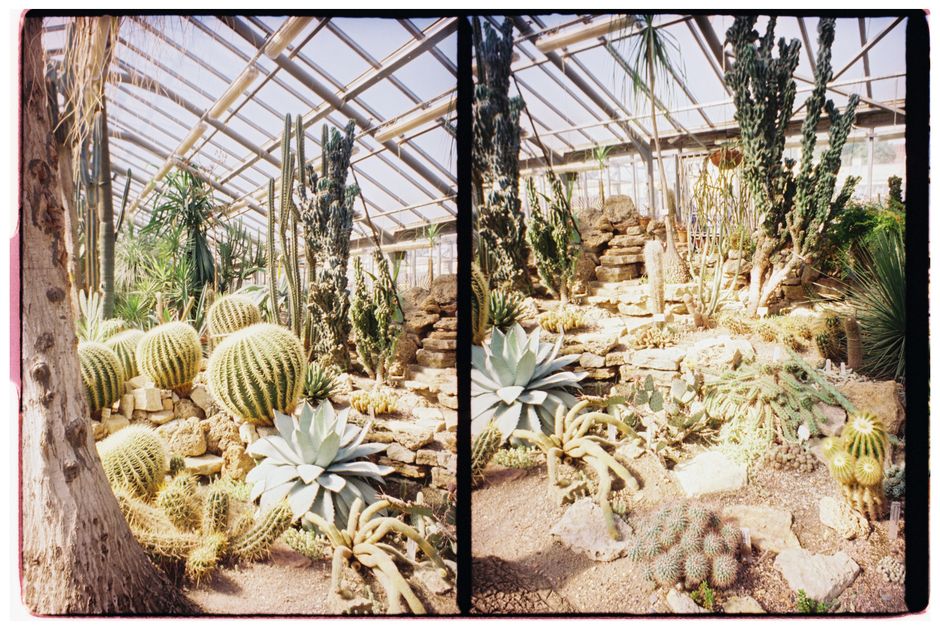
The primary purpose of Victorian glasshouses was to cultivate plants that would otherwise not survive in the European climate. This included species from tropical rainforests, deserts, and other exotic locales. Botanical gardens and private collectors sent plant hunters to remote regions to collect seeds, cuttings, and live specimens. These explorers, such as Joseph Banks and later David Douglas, braved dangerous journeys to bring back new varieties. The glasshouse provided a safe haven where these plants could be propagated and studied.
The ability to grow exotic plants had significant economic and scientific implications. Cash crops like pineapple, vanilla, and rubber were experimented with in glasshouses before being cultivated in colonies. Botanists used these controlled environments to study plant physiology, hybridization, and disease resistance. The exchange of plants between continents also led to the spread of invasive species, a consequence that was not fully understood at the time.
Institutions like Kew Gardens played a central role in this global network. Under the direction of Sir William Hooker and his son Joseph, Kew became a hub for botanical research and plant distribution. Its glasshouses, including the Palm House and the Temperate House, housed collections that were unparalleled in diversity. These structures not only showcased the beauty of plants but also served as living laboratories for scientific inquiry.
Private collectors, too, contributed to the proliferation of glasshouses. The Victorian era saw a craze for ferns, orchids, and other exotic plants, leading to the construction of specialized glasshouses such as orchid houses and ferneries. These structures were often designed to replicate specific habitats, with调整able shading and humidity levels. The competitive spirit among collectors drove innovation in glasshouse design and cultivation techniques.
Architectural Styles and Social Significance
Victorian glasshouses were not only functional but also architectural statements. They reflected the wealth, taste, and social aspirations of their owners. Styles ranged from the Gothic Revival, with pointed arches and intricate tracery, to the Italianate, with symmetrical facades and classical columns. The Crystal Palace, with its modular iron and glass construction, became an icon of the era and inspired glasshouse designs worldwide.
For the middle and upper classes, a glasshouse was a symbol of refinement and a place for entertaining guests. Conservatories attached to drawing rooms allowed plants to be enjoyed indoors, blurring the line between garden and home. The ability to grow exotic fruits, such as pineapples, was a mark of prestige. In public parks and botanical gardens, glasshouses offered educational and recreational opportunities for the masses, democratizing access to exotic flora.
The social significance of glasshouses extended to the gardeners who worked in them. Head gardeners held respected positions and were often highly skilled in horticulture and engineering. They managed teams of workers and were responsible for the health of valuable plant collections. The knowledge they accumulated was passed down through apprenticeships and publications, contributing to the professionalization of horticulture.
Despite their popularity, glasshouses were not without critics. Some argued that they represented an artificial separation from nature, while others pointed to the high cost of construction and maintenance. Nevertheless, their influence persisted, and many Victorian glasshouses are now protected as heritage structures.
Legacy and Modern Relevance
The legacy of Victorian glasshouses is evident in the many surviving structures that continue to inspire awe. Buildings like the Palm House at Kew, with its elegant curved ironwork, and the Temperate House, the largest surviving Victorian glasshouse, are testaments to the ingenuity of 19th-century engineers and gardeners. These structures have been restored and adapted for modern use, serving as botanical research centers and public attractions.
Modern greenhouses owe much to Victorian innovations. The principles of light optimization, climate control, and modular construction are still applied today, albeit with advanced materials like polyethylene and automated systems. The emphasis on sustainability has led to new designs that incorporate solar panels, rainwater harvesting, and energy-efficient heating. Yet the basic concept of creating a controlled environment for plant growth remains unchanged.
Moreover, the Victorian glasshouse movement fostered a global network of botanical exchange that continues to shape our understanding of plant diversity. Herbaria, seed banks, and conservation programs build on the legacy of plant hunters and horticulturists who used glasshouses as tools for exploration. As we face challenges such as climate change and biodiversity loss, the lessons from Victorian glasshouses—about adaptability, experimentation, and the interconnectedness of life—are more relevant than ever.
In conclusion, the secret life of Victorian glasshouses lies in their fusion of engineering, horticulture, and social history. They were not merely buildings but catalysts for scientific discovery and cultural exchange. By examining their design and operation, we gain a deeper appreciation for the ingenuity of the past and its enduring impact on how we cultivate plants today.